


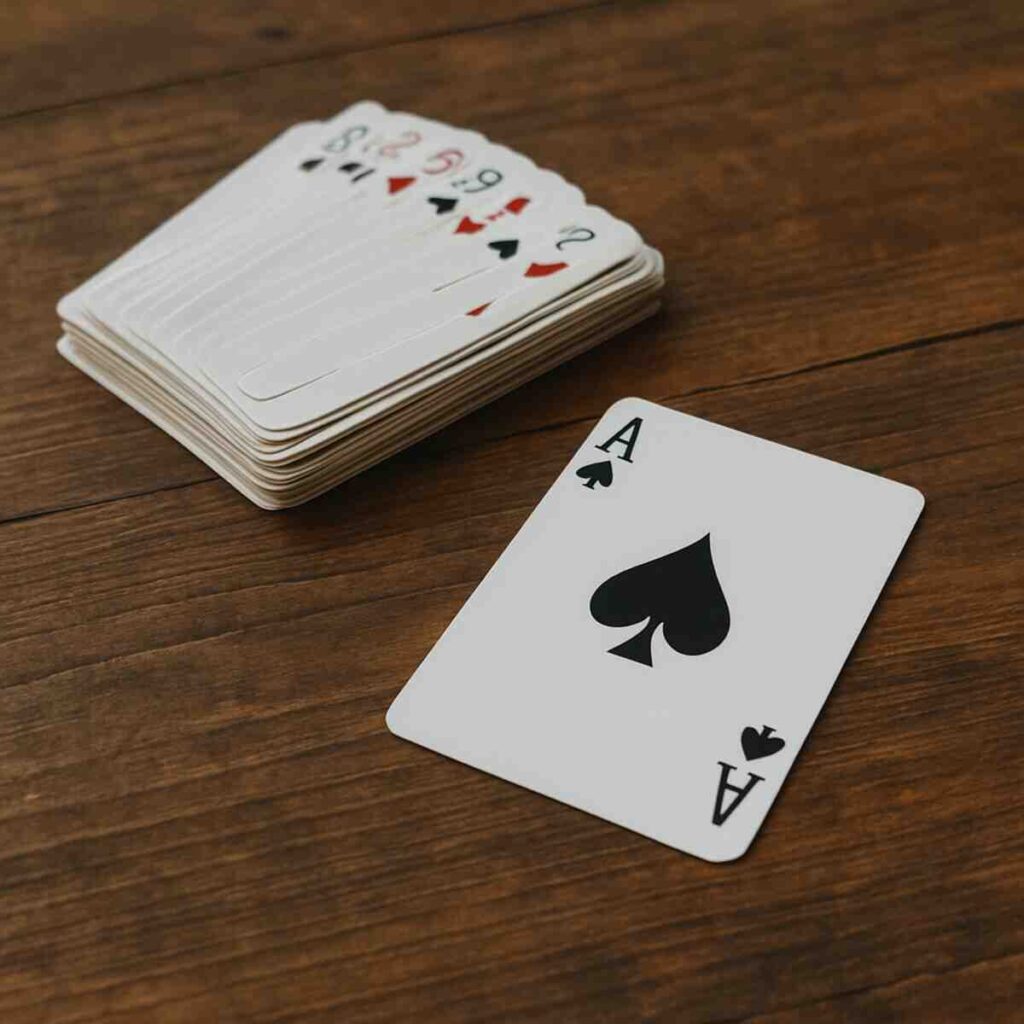
Hey there, card game enthusiasts! If you’re ready to dive into a fun and simple game that requires just a dash of strategy and a good deal of luck, then Trash is the game for you. Whether you’re a seasoned card player or a beginner looking for a new hobby, Trash offers engaging gameplay that’s perfect for all ages. Let’s break down the rules and get you ready to play! To find more, check on ofilmyzilla.net
Before we get into the nitty-gritty of the game, let’s gather what you’ll need. Trash is played with a standard deck of 52 cards. If you have more than four players, consider using two decks. And don’t worry about the jokers—they can sit this one out.
Deck Requirements
A standard 52-card deck is essential for the game. Each card plays a role, from the Aces to the Kings. If your group includes more than four players, you might need to integrate a second deck to ensure a smooth flow of the game. This setup prevents running out of cards mid-game and keeps the excitement going.
Setting Up the Space
Choose a comfortable table or playing area where everyone can sit around. Ensure each player has ample space to lay out their 10 cards in a line. The draw pile should be easily accessible to all players, reducing any disruptions during gameplay.
Player Count and Adaptations
Trash is flexible in terms of the number of players. It works well with two players but can accommodate more by tweaking the deck setup. For gatherings, consider setting up multiple tables or rounds to involve everyone. This flexibility makes Trash a great choice for parties or family game nights.
Game Setup
Setting up for Trash is as easy as pie! Shuffle the deck and deal ten cards to each player, face down. The remaining cards form the draw pile in the center of the table. Each player should arrange their cards in a line, face down, without peeking.
Shuffling and Dealing
A good shuffle is crucial for a fair game. Spend some time mixing the cards thoroughly to ensure randomness. Each player receives ten cards dealt face-down, creating anticipation as no one knows what they hold.
Arranging the Cards
Players should lay their ten cards in a straight line before them, maintaining the face-down position. This setup is crucial as it forms the basis for the game’s progression. It’s tempting to peek, but the surprise is part of the fun!
Establishing the Draw Pile
Place the remaining cards in the center as the draw pile. This pile is the heart of the game, providing the cards that players will draw from and discard to. Keeping it centrally located ensures everyone can easily reach it during their turn.
Objective of the Game
The goal of Trash is to be the first player to line up your cards in sequential order from Ace to 10. Sounds simple, right? Well, there’s a little twist! You won’t know which card is where until you start playing.
Understanding the Sequence
Achieving a perfect sequence from Ace to 10 is the primary objective. This involves not only luck but also the ability to remember and replace cards efficiently. The thrill lies in uncovering the right cards at the right time.
The Twist of the Unknown
The initial mystery of where each card lies adds a layer of excitement and challenge. Players must rely on memory and strategic thinking to gradually reveal and arrange their cards. This element keeps each round unpredictable and engaging.
Winning Conditions
The first player to successfully arrange all ten cards in the required order wins the round. This victory is not just about speed but also about making smart swaps and remembering past moves. Each win adjusts the dynamics for the next round, keeping players on their toes.
How to Play Trash the Card Game
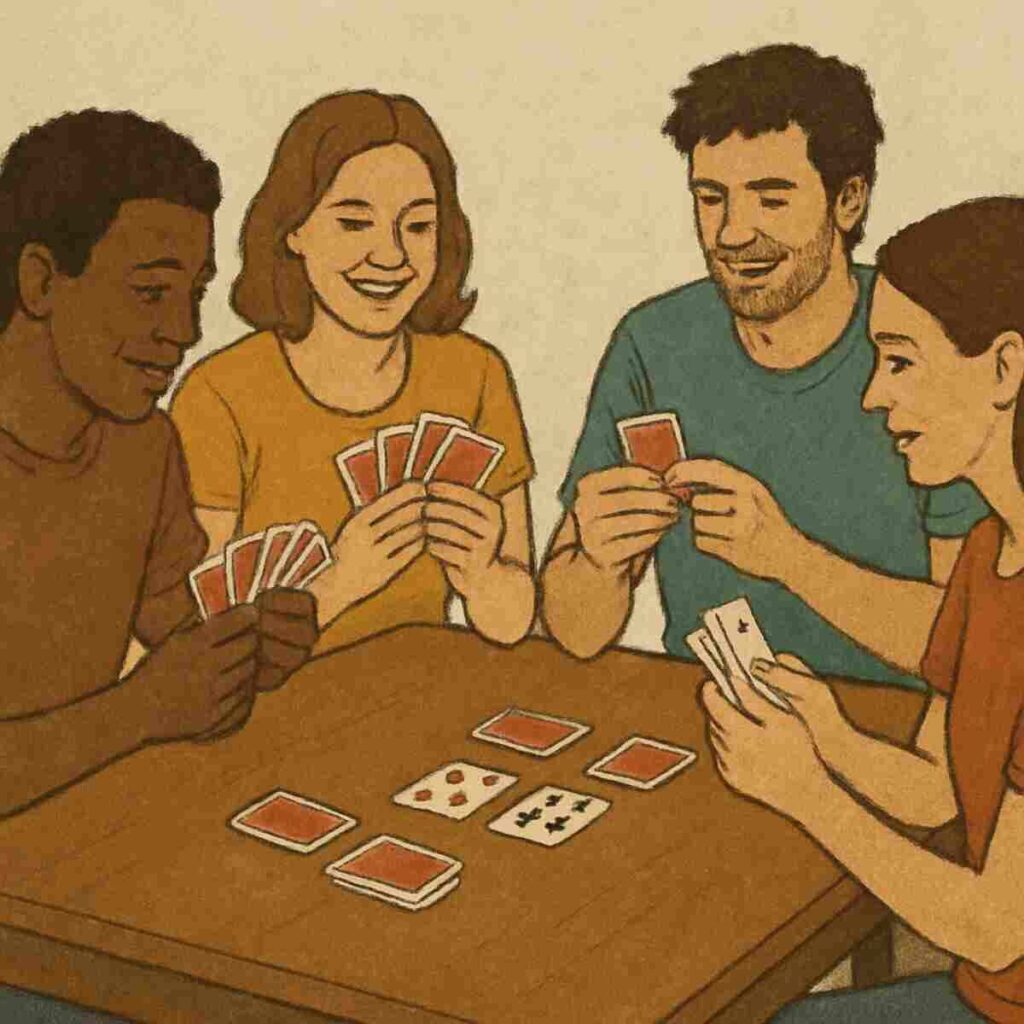
Alright, let’s get to the fun part—playing the game! The player to the dealer’s left goes first. Pick a card from the draw pile and see if it’s one you need to complete your sequence. Here’s how you decide:
- Ace through 10: Place the card in the corresponding position in your lineup. For example, if you draw a 3, it should go in the third position.
- Face Cards (Jack, Queen, King): These are your “trash” cards. They can’t be used in the sequence and should be discarded.
Starting the Game
The game begins with the player to the left of the dealer drawing the top card from the draw pile. This card determines the initial move and sets the pace for the game. Each player’s turn involves evaluating the drawn card and making a strategic decision.
Card Placement and Strategy
Upon drawing a card, players determine if it fits into their sequence. Cards ranging from Ace to 10 are placed in their respective positions. This decision-making process is crucial, requiring players to remember previous placements and anticipate future moves.
Handling Trash Cards
Face cards, known as trash cards, pose an interesting challenge. These cards cannot be placed in the sequence and must be discarded. Managing trash cards effectively can influence the game’s outcome, as discarding them strategically might prevent opponents from gaining an advantage.
Replacing and Drawing
If you draw a useful card, place it face up in the correct position. Then, take the card that was originally in that spot and see if it can be used. Continue replacing cards until you either run out of usable cards or you draw a trash card.
If you draw a trash card, your turn ends, and the next player takes their turn. Discard the trash card onto a separate pile next to the draw pile.
The Replacement Cycle
The replacement process adds a dynamic layer to the game. Once a useful card is placed, the card it replaces is picked up and evaluated. This cycle continues until a trash card is drawn, requiring players to constantly reassess their strategies.
Managing the Discard Pile
The discard pile grows with each trash card drawn, creating a visual reminder of what cards are no longer in play. Players can use this information to deduce what cards might still be available, aiding in their decision-making process.
Ending a Turn
A turn concludes when a player draws a trash card, marking a shift in gameplay. This transition keeps the game moving and introduces a rhythm as players anticipate their next opportunity to draw and replace cards.
Winning the Round
The first player to fill their lineup from Ace to 10 wins the round. Once a player wins, you reset the game for the next round, but here’s the kicker: the winner gets one less card in the next round! So, if you won the first round, you’ll only have nine cards in the next one.
Celebrating a Win
Winning a round in Trash is a rewarding experience, showcasing a player’s strategic prowess and a bit of luck. This moment of victory is often filled with excitement and sets the tone for subsequent rounds.
Preparing for the Next Round
After a round concludes, players reset their cards and prepare for the next challenge. The twist of having one less card for the winner increases the difficulty, encouraging players to adapt their strategies and maintain focus.
Adjusting Strategies
As the game progresses, players must adjust their strategies based on past rounds’ outcomes. This adaptability is key to maintaining an edge and continuing to secure victories. Each round offers a fresh opportunity to refine techniques and outsmart opponents.
Strategies for Success
While Trash is largely a game of luck, a bit of strategy never hurts. Here are a few tips to give you an edge:
- Memory is Key: Remember the positions of your face-down cards as you play. This will help you make quicker decisions when swapping cards.
- Watch Your Opponents: Keep an eye on the cards your opponents are discarding. This can give you clues about the cards they’re holding.
- Plan Ahead: Try to think a few moves ahead. If you draw a card that doesn’t fit your current needs, consider if it might help you later.
Enhancing Memory
Memory plays a significant role in Trash, as players must recall the positions of their face-down cards. Developing a system or mnemonic can aid in remembering these placements, providing a strategic advantage.
Observing Opponents
Keeping tabs on opponents’ actions offers valuable insights. Observing which cards they discard can reveal patterns or strategies, allowing you to adjust your approach accordingly. This observation can be the difference between winning and losing a round.
Forward Thinking
Planning ahead is crucial in Trash. As you draw cards, consider not only immediate needs but also how potential future draws could affect your sequence. This foresight allows for better decision-making and can help mitigate bad draws.
Balancing Risk and Reward
Assessing the risk versus reward of each move is essential. Sometimes taking a calculated risk can lead to a more favorable outcome in future turns. Weighing these decisions carefully can set you apart from other players.
Adapting to Changing Dynamics
Trash is dynamic, with each round altering player dynamics and strategies. Being flexible and adjusting your tactics based on new information or unforeseen challenges can enhance your chances of success.
Variations of the Game
Trash is a versatile game and can be played in various ways to keep things fresh:
- Two Decks: For a longer game or more players, use two decks shuffled together.
- Jokers as Wild Cards: Introduce a little chaos by allowing jokers to replace any card in the sequence.
- Speed Mode: If you’re in for a quick game, set a timer for each turn to keep the pace brisk.
Extending Gameplay
Using two decks extends the game, making it suitable for larger groups or longer play sessions. This variation maintains the core mechanics while offering more opportunities for strategic play and interaction.
Introducing Wild Cards
Incorporating jokers as wild cards adds an element of unpredictability. These wild cards can replace any card in the sequence, offering players more flexibility and opening up new strategic possibilities.
Implementing Speed Mode
Speed mode introduces a sense of urgency, challenging players to think quickly and act decisively. Setting a timer for each turn accelerates the game, making it a thrilling option for those seeking a fast-paced experience.
Creative Rule Alterations
Players can create their own variations by adjusting rules or introducing new elements. This creativity allows for personalized gameplay experiences, ensuring Trash remains fresh and exciting every time you play.
Balancing Complexity and Fun
While variations add complexity, they should also enhance the fun. Finding the right balance between challenge and enjoyment ensures that Trash remains an engaging and accessible game for all players.
Wrapping It Up
Trash is a delightful card game that’s perfect for a relaxing evening with friends or family. It combines luck with a sprinkle of strategy, making it accessible yet engaging. Now that you’re armed with the rules and a few handy strategies, you’re all set to jump in and start playing. Gather your cards, call over your friends, and let the games begin! Remember, it’s all about fun and a little bit of friendly competition. Enjoy!
Embracing the Fun
Trash brings people together in a casual yet competitive setting, perfect for building memories with friends and family. Its blend of luck and strategy ensures that each game is unique, providing endless entertainment.
Encouraging Friendly Competition
While competition is an element of Trash, the primary focus is enjoyment. Encourage light-hearted banter and camaraderie, ensuring everyone has a great time, regardless of who wins or loses.
Fostering Social Connections
Beyond the game, Trash offers an opportunity to connect with others, fostering social interactions and building bonds. Whether you’re playing with long-time friends or new acquaintances, the game is a bridge to shared experiences.
Cultivating a Love for Card Games
Trash can be a gateway to a broader world of card games. Its simplicity makes it accessible, while its strategic elements can spark an interest in exploring other card games, enriching your gaming repertoire.
Cherishing the Experience
Ultimately, the joy of playing Trash lies in the experience. It’s about the laughter, the surprises, and the shared moments that make each game memorable. So, gather your loved ones, shuffle the cards, and let the good times roll!