
Strategies to Master the Pedro Card Game
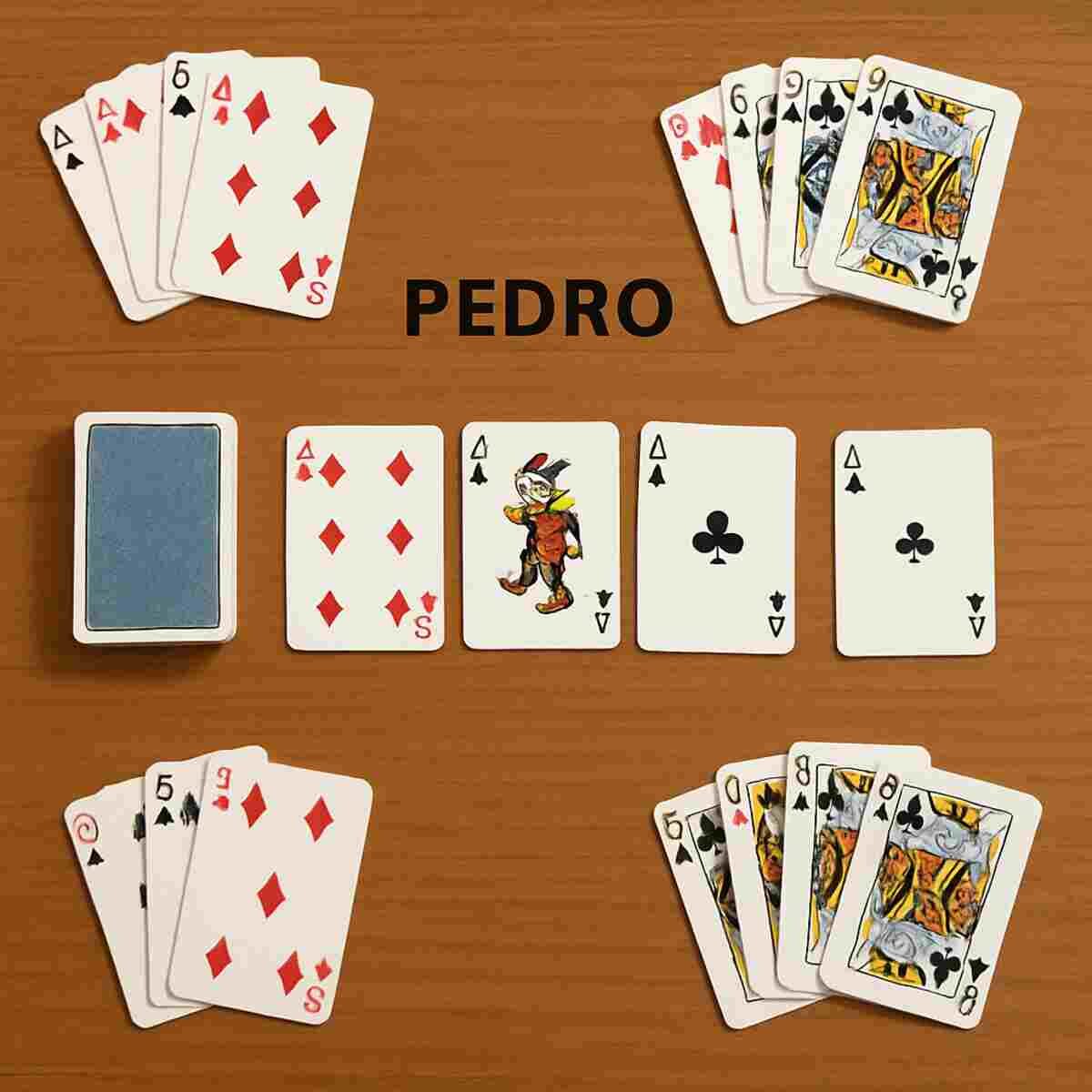
Pedro, also known as Cinch, is a captivating trick-taking card game that invites players into a world of strategic play. With its origins deeply rooted in history, this game has been a favorite pastime for many generations. The game is generally enjoyed by four players in two partnerships, creating a dynamic and competitive environment that challenges both strategy and teamwork. To know more, check out KAPTEN189
The Origins of Pedro
Pedro has a rich history, believed to have evolved from the family of All Fours games played in Europe. Its journey across countries and cultures has shaped it into the game we know today. Understanding its origins can give players deeper insight into its strategic depth and cultural significance.
Game Dynamics
The game uses a standard deck of 52 cards, but it’s customized to a 40-card deck by removing the 8s, 7s, 6s, 5s, 4s, and 3s, which adds a unique twist to the traditional card deck. This alteration increases the game’s complexity, as players must adapt to a reduced number of cards and anticipate opponents’ moves more strategically.
Objective and Appeal
The main goal of Pedro is to score points by winning certain high-value cards during tricks. This objective demands sharp focus and foresight, requiring players to think several moves ahead. The appeal of Pedro lies in its blend of luck and strategic depth, making each game session unpredictable and exciting.
Basic Rules of Pedro
Understanding the foundational rules of Pedro is crucial for both newcomers and seasoned players looking to refine their skills. These rules set the stage for strategic gameplay and intense competition.
The Setup
The setup of Pedro is straightforward yet essential for a smooth game. Each player is dealt nine cards, creating an intimate connection between each player and their hand. The rest of the deck becomes the draw pile, a reservoir of potential strategies and surprises. The player to the dealer’s left leads the first trick, and play continues clockwise, setting the rhythm for the game.
Scoring Points
Scoring in Pedro is a straightforward yet critical aspect of the game:
- The 5 of trumps (right Pedro) is worth 5 points.
- The 5 of the same color as trumps (left Pedro) is worth 5 points.
- The 10 of trumps is worth 10 points.
- The Ace of trumps is worth 4 points.
- The Jack of trumps is worth 1 point.
- The 2 of trumps is worth 1 point.
Understanding these values is essential, as they form the backbone of your strategy. Players must balance the pursuit of high-value cards with the need to maintain a strong hand.
Playing the Game
The flow of the game is dictated by the rules of play. Players must follow suit if possible, creating a level playing field where strategy and foresight are paramount. If a player cannot follow suit, they may play any card, introducing an element of unpredictability. The highest card in the suit led wins the trick unless a trump card is played, in which case the highest trump wins. The player who wins the trick leads the next, maintaining the dynamic and engaging nature of the game.
Key Strategies for Winning
Mastering the strategies of Pedro can significantly enhance your gameplay and increase your chances of winning. These strategies require a blend of intuition, calculation, and effective communication.
Know When to Hold and When to Fold
One of the first things to understand about Pedro is knowing when to play your high cards. Holding onto your powerful trump cards can be beneficial, especially when you anticipate your opponents might run out of trumps. Timing is everything; releasing a high card too early can expose you to unnecessary risks, while holding it too long may miss an opportunity to gain an advantage.
Communication is Key
In Pedro, partners need to communicate through their plays without actually speaking. This non-verbal communication is a subtle art that can turn the tide of the game. Pay attention to what your partner is playing. If they’re leading with low cards, they might be signaling that they need help or are trying to draw out the opponents’ high cards. Understanding these signals is crucial for synchronized play and maintaining a united front against opponents.
Count the Cards
Keeping track of the cards that have been played can give you a significant edge. This skill requires keen observation and mental agility. Knowing what cards are still in play can help you make informed decisions about which card to play next. This foresight can prevent costly mistakes and allow you to anticipate opponents’ strategies.
The Power of Pedro
The two Pedros (5 of trump and 5 of the same color) are the most valuable cards. These can turn the tide of the game. Use them wisely to capture high-point cards or protect your partner’s play. Their strategic deployment can create a decisive advantage, so hold them until the perfect moment to maximize their impact.
Tips to Improve Your Game
Improving your Pedro game involves practice, observation, and strategic adaptation. These tips can help players at all levels refine their skills and enjoy the game even more.
Practice Makes Perfect
The more you play, the better you’ll get. Each game of Pedro is different, and each offers new lessons and strategies. Engaging with the game regularly helps you recognize patterns and develop intuition. So, keep practicing! Your growth as a player is directly proportional to your dedication and frequency of play.
Watch and Learn
If you’re new to Pedro, watching experienced players can be incredibly helpful. Observing their techniques and decisions provides valuable insight. Pay attention to how they bid, how they play their cards, and how they communicate with their partners. This observation can accelerate your learning curve and inspire you to try new strategies.
Mix Up Your Strategies
Don’t be predictable. If your opponents catch on to your strategy, they can counter it. Keeping your play style varied and dynamic keeps opponents on their toes. Keep them guessing by mixing up your play style and strategies. This unpredictability can disrupt opponents’ plans and increase your chances of success.
Common Mistakes to Avoid
Avoiding common pitfalls can greatly enhance your experience and performance in Pedro. Awareness of these mistakes can steer you toward more effective gameplay.
Overbidding
It’s tempting to bid high, especially if you have a good hand, but overbidding can lead to trouble. Overestimating your hand’s potential can backfire if the game doesn’t go as planned. Be realistic about what you can achieve with your hand. Cautious bidding can prevent unnecessary losses and keep you in the game longer.
Ignoring Your Partner
Remember, Pedro is a partnership game. Ignoring your partner’s plays or failing to support them can cost you valuable points. Effective partnership relies on mutual understanding and support. Pay attention to their signals and adjust your strategy accordingly. Collaboration with your partner can create synergy and strengthen your position.
Forgetting to Count Cards
As mentioned earlier, card counting is crucial. Forgetting to keep track of played cards can leave you at a disadvantage. This oversight can result in missed opportunities and unexpected setbacks. Developing a habit of counting cards can sharpen your strategic thinking and improve decision-making.
Conclusion
Mastering Pedro takes time and practice, but with these strategies and tips, you’re well on your way to becoming a Pedro champion. The game’s complexity and depth offer endless opportunities for growth and enjoyment. Remember, the key is to stay flexible, communicate with your partner, and always keep an eye on the cards. Adaptability and awareness are your greatest allies. So, the next time you sit down for a game of Pedro, you’ll be ready to play like a pro. Happy playing!